How to Estimate HVAC Jobs in Under 10 Minutes
Learn how to estimate HVAC jobs fast with proven methods that cut your bidding time in half. Get accurate pricing strategies and win more contracts today.
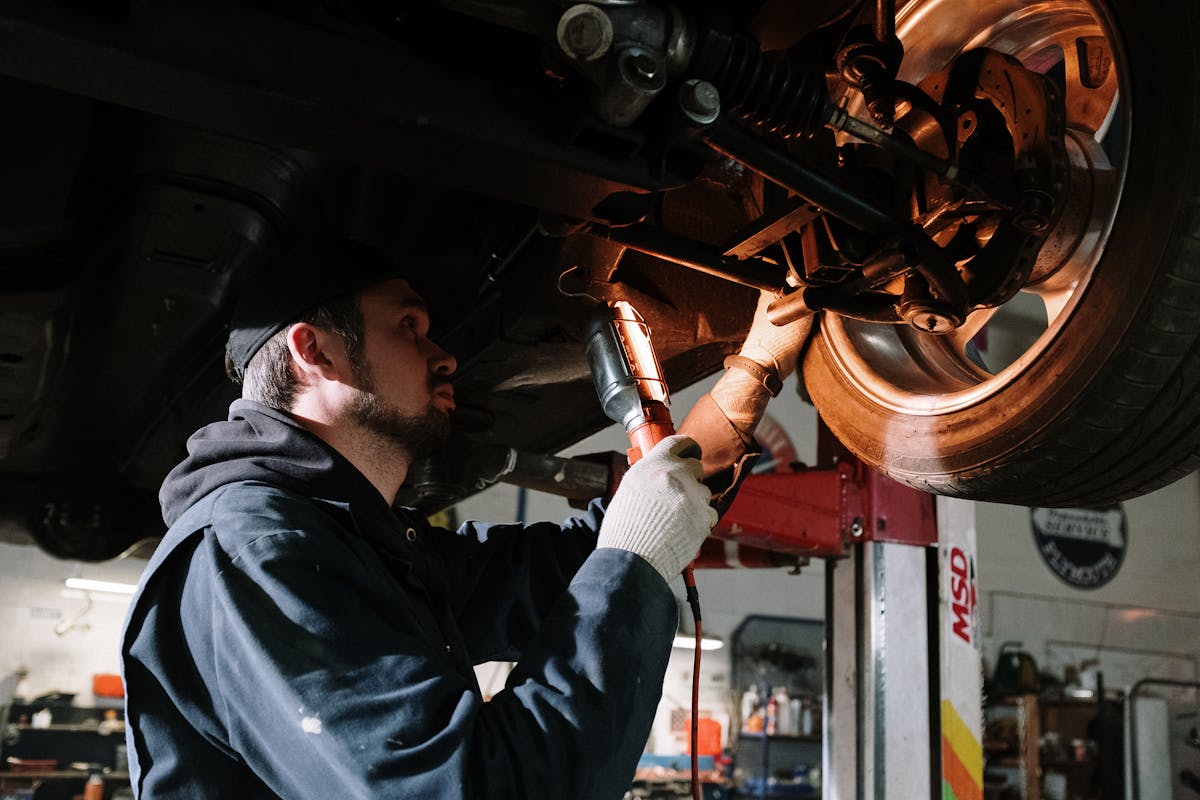
You're juggling service calls, managing your crew, and somehow still need to pump out accurate estimates before your competition swoops in. Sound familiar? The contractor who gets a professional estimate to the customer first often wins the job — but rushing leads to underbidding and leaving money on the table.
Here's the good news: learning how to estimate HVAC jobs fast doesn't mean sacrificing accuracy. With the right system, you can generate profitable estimates in under 10 minutes. Let's break down exactly how to do it.
Why Speed Matters in HVAC Estimating
Every hour you spend on estimates is an hour you're not billing. More importantly, homeowners and commercial clients are typically getting 2-3 quotes. The first professional estimate that hits their inbox sets the anchor price and establishes you as the responsive, reliable choice.
But here's where most contractors mess up: they either spend 45 minutes on a detailed estimate that should take 10, or they rush out a number and end up eating costs on the job. Neither approach builds a sustainable business.
The solution is a systematic approach that accounts for every cost variable without requiring you to reinvent the wheel on each bid.
The 5-Step Fast Estimating Framework for HVAC Jobs
This framework works whether you're bidding a simple AC tune-up or a complete commercial HVAC installation. Adapt the depth based on job complexity, but follow the same sequence every time.
Step 1: Qualify the Job (2 Minutes)
Before you calculate anything, determine if this job is worth your time. Ask yourself:
- Is this within your service area and expertise?
- Does the timeline work with your current schedule?
- Is the customer serious or just price shopping?
- Are there any red flags (permit issues, access problems, unrealistic expectations)?
Spending 2 minutes on qualification saves you from wasting 30 minutes estimating jobs you'll never land or shouldn't take.
Step 2: Calculate Material Costs (3 Minutes)
Your material costs should come from a pre-built pricing sheet that you update quarterly based on your actual supplier invoices. Don't guess — use real numbers from your last orders.
| Equipment/Material | Low Range | Mid Range | High Range |
|---|---|---|---|
| Residential AC Unit (2-3 ton) | $1,800 | $2,600 | $4,200 |
| Residential Furnace (80K BTU) | $1,200 | $1,800 | $3,000 |
| Mini-Split System (single zone) | $1,400 | $2,200 | $3,500 |
| Ductwork (per linear foot) | $12 | $22 | $35 |
| Refrigerant R-410A (per lb) | $15 | $25 | $40 |
| Thermostat (smart/programmable) | $75 | $180 | $350 |
Add 5-10% material buffer for fittings, fasteners, and unexpected needs. This isn't padding — it's accounting for the reality that no job goes exactly as planned.
Step 3: Estimate Labor Hours Accurately (2 Minutes)
Labor estimation is where most contractors either leave money behind or price themselves out. Base your hours on your actual job history, not industry averages that don't account for your crew's efficiency.
| Job Type | Average Labor Hours | Labor Cost @ $85/hr |
|---|---|---|
| AC Unit Replacement | 6-8 hours | $510 - $680 |
| Furnace Installation | 4-6 hours | $340 - $510 |
| Complete HVAC System | 12-16 hours | $1,020 - $1,360 |
| Ductwork Replacement (full home) | 16-24 hours | $1,360 - $2,040 |
| Mini-Split Installation | 5-8 hours | $425 - $680 |
| Diagnostic/Repair Call | 1-2 hours | $85 - $170 |
Your labor rate should include wages, workers comp, insurance, payroll taxes, and vehicle costs. If you're charging $45/hour labor rate in 2025, you're almost certainly losing money when you factor in true burden costs.
Step 4: Add Overhead and Profit (1 Minute)
This is where contractors consistently undercharge. Your overhead includes:
- Office expenses and administrative costs
- Marketing and advertising
- Insurance premiums
- Tools and equipment depreciation
- Training and certifications
- Software and technology
Most successful HVAC contractors run a 15-20% overhead rate and a 10-20% profit margin on top of direct costs. If you're not hitting these numbers, you're working for free in the long run.
Quick formula: (Materials + Labor) × 1.35 to 1.45 = Your minimum bid price
Step 5: Adjust for Job-Specific Factors (2 Minutes)
No two jobs are identical. Add or subtract based on real conditions:
- Difficult access: Add 10-25% (attic installs, tight crawl spaces, high-rise buildings)
- Permit requirements: Add actual permit costs plus 2 hours admin time
- Old system removal: Add disposal fees and 1-3 hours labor
- Repeat customer: Consider 5-10% loyalty discount if profitable
- Slow season: May adjust margins to keep crew working
Common Estimating Mistakes That Kill Your Margins
After working with hundreds of HVAC contractors, these are the mistakes that show up repeatedly:
Forgetting travel time: If the job is 45 minutes from your shop, that's 1.5 hours of unbilled labor round trip. Build it in.
Underestimating callbacks: Every job has a callback risk. Your pricing should account for the occasional return visit that's on your dime.
Matching lowball competitors: Racing to the bottom doesn't build a business. Let the $3,000 AC install go to someone else — you'll see them on the callback list in two years.
Skipping the site visit on big jobs: For installations over $5,000, a 15-minute site visit prevents $500+ surprises. The time investment pays off.
Building Your Estimating System for Long-Term Speed
Fast estimates come from good systems, not cutting corners. Invest time upfront in:
- A master price list updated quarterly with your actual costs
- Job templates for your most common service types
- A standard labor hour database based on your completed jobs
- Pre-written scope descriptions you can customize quickly
- Digital tools that eliminate manual calculations and formatting
Every hour you spend building these systems saves you 10 hours over the next year. That's not an exaggeration — it's basic contractor math.
Turn Fast Estimates Into Won Jobs
Speed only matters if you're also accurate and professional. A quick estimate that looks sloppy or misses key details will lose to a slower competitor who presents better. Your estimate should clearly show the scope, materials, timeline, and payment terms — all formatted professionally.
The contractors winning in 2025 and beyond are those who combine speed with quality presentation. They get estimates out within hours, not days, and they look like they came from a real business.
FastEstimate was built specifically for HVAC contractors who need to create accurate, professional estimates without spending half their day on paperwork. If you're tired of losing jobs to faster competitors or leaving money on the table with rushed bids, it might be time to see how AI-powered estimating can work for your business.
FastEstimate
Generate a professional estimate in under 2 minutes
Scope of work, materials checklist, customer proposal, follow-up messages — all AI-generated for your exact job.
⚡ Try it free — no account needed